
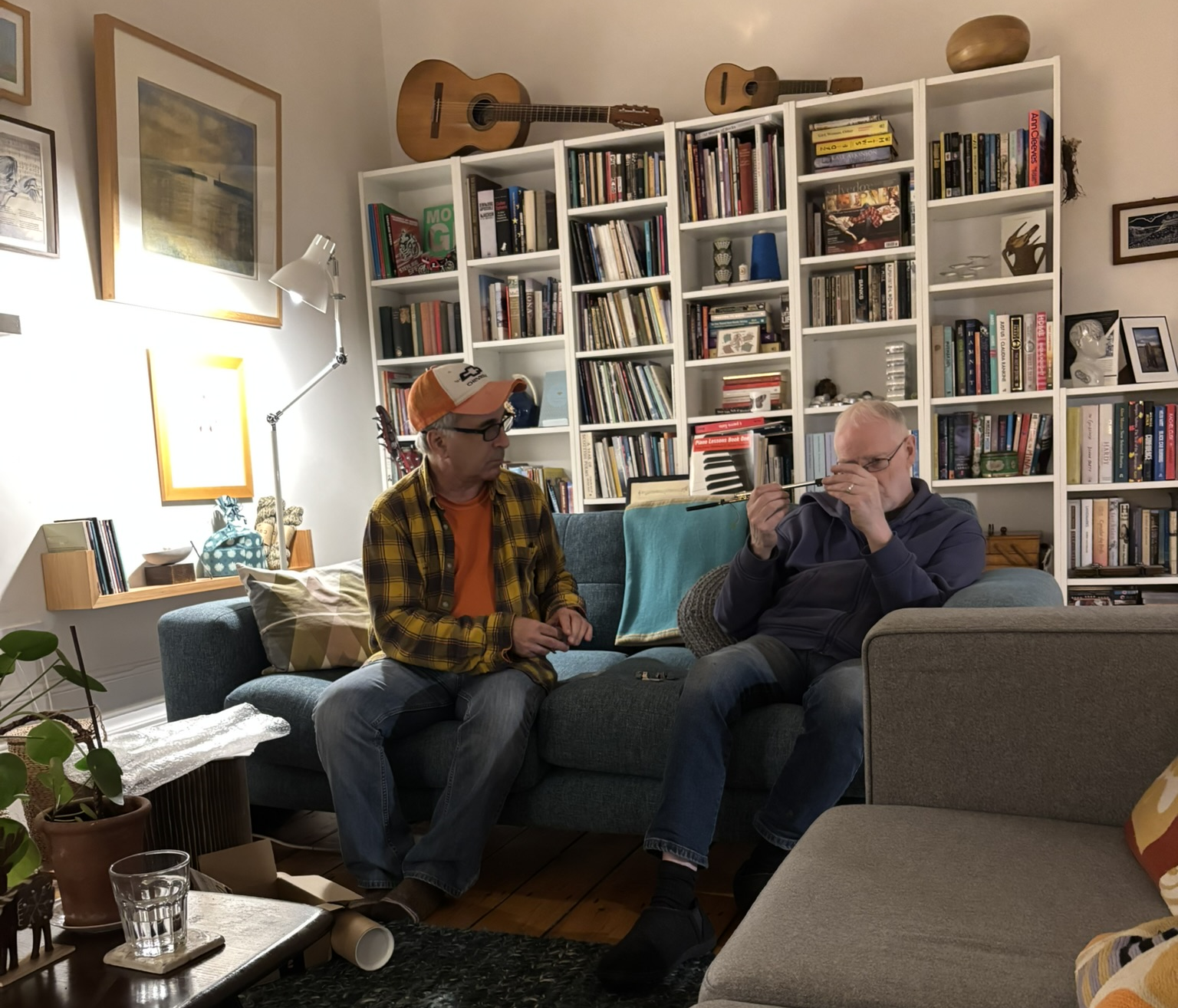
Greg Viggiano (left) and John Gordon discuss the prototype and alignment considerations at his home, Glasgow, Scotland, December 3, 2025
Engineering Collaboration and the Art of Tonearm Design
Some of the most valuable resources in audio engineering don't come from textbooks or manufacturer spec sheets − they come from the quiet corners of the internet where designers and engineers generously share what they've actually learned.
Years ago, a friend in the UK audio community pointed me toward a tonearm engineering blog that I've returned to many times since. For anyone serious about understanding the functional and mechanical underpinnings that govern tonearm physics, the blog is an essential treasury of detailed research, and written by someone who has spent years figuring out all aspects of tonearm design and engineering.
That blog belonged to John Gordon, the engineer behind the Odyssey tonearm. What was very apparent wasn't just the depth of his technical knowledge, but the clarity in which he communicated it. Tonearm design sits at a particular intersection of mechanical engineering, acoustics, material science, and electrical engineering − and John's writing described all of it with the expertise of someone who has obviously spent years on the subject.
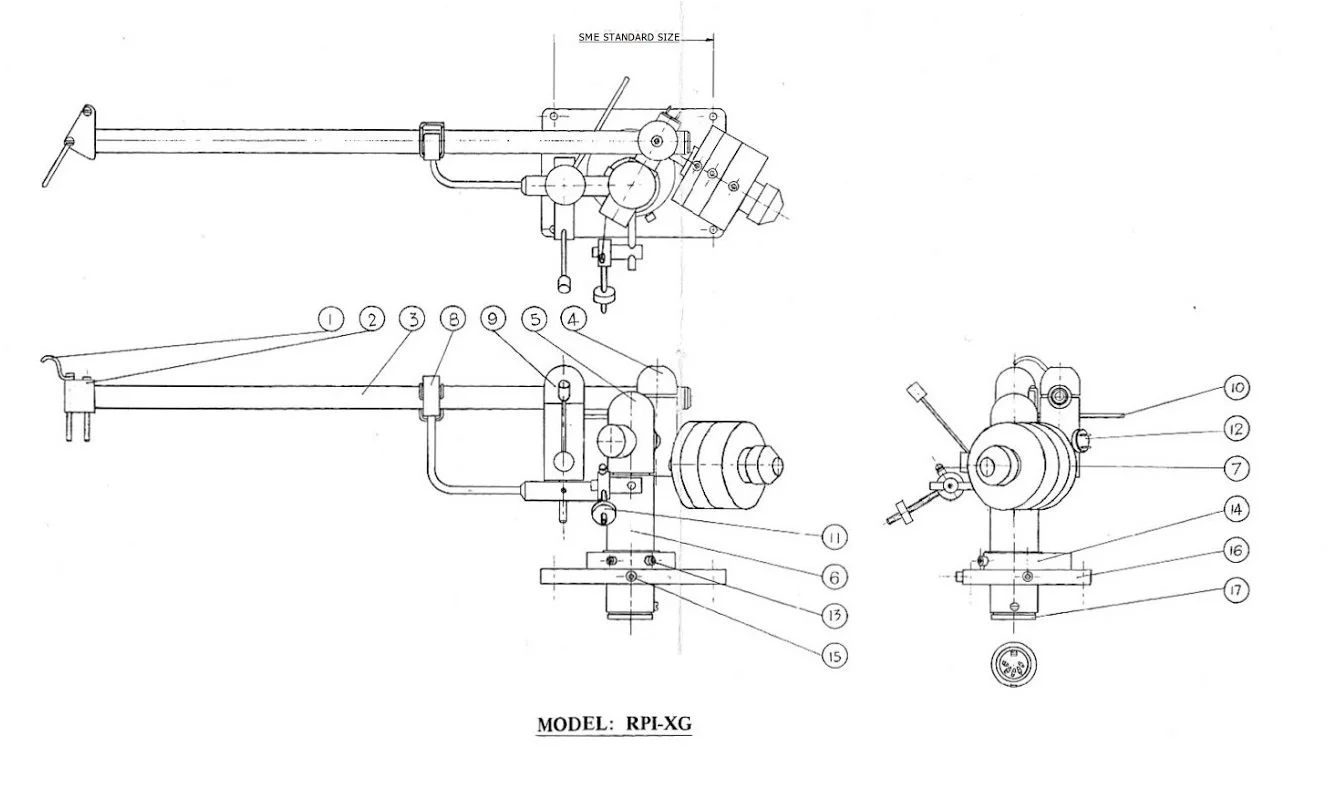
Odyssey Tonearm RP1-XG
As my own work progressed − running engineering experiments in parallel with component development and iterative prototyping − I found myself constantly referring to his blog. Questions that my own experiments raised were often addressed, at least in part, somewhere in his posts. Others, not so much.
That's when I reached out to John. What started with a series of emails, gradually turned into more technical exchanges. A couple of phone calls followed.
I had planned a pre-Christmas visit to meet my daughter in London for the Holidays and thought, if I’m going to be in the neighborhood, maybe I should make a journey to Scotland to show him the prototype. As it turned out, John was available, so my daughter and I made the trip to Glasgow.
Spending time with John at his home in Scotland was exactly the kind of experience that shows why professional collaborations matter. There is something fundamentally different about working through a complex engineering problem face-to-face, with the actual hardware sitting on his coffee table in the living room. You can point at things. You can demonstrate behavior that's difficult to describe on the phone.
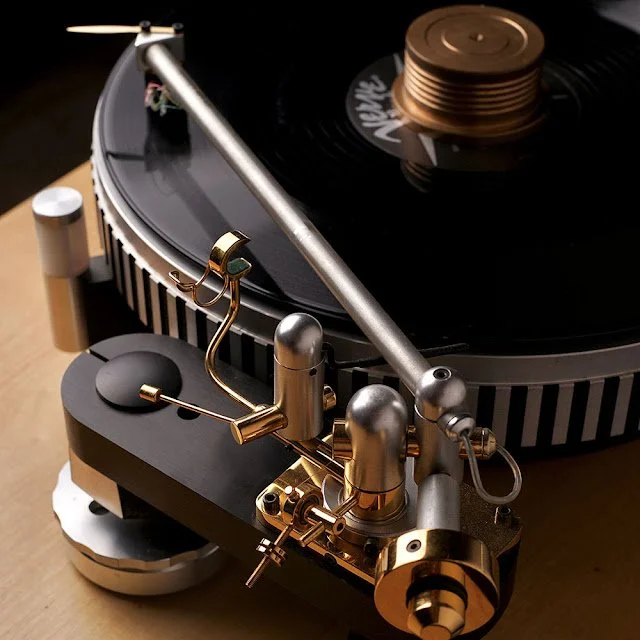
An Odyssey RP1-XG Tonearm on a Micro Seiki DQX-1000 turntable
John definitely brought a perspective informed by years of hands-on experience and suggested different design options and different problem-solving approaches than my own − and those differences are the whole point. His advice didn't always hand me a ready-made solution to my design challenges, but it did something arguably more valuable: it opened new ways of thinking I hadn't considered, reframed some assumptions I'd been carrying, and gave me a clearer sense of where to look next.
That's what good technical collaboration is all about. It may not always solve the problem − but it can change the way you see it and spur new ways thinking. I consider myself very lucky to have been mentored by John Gordon and the advice he has so generously shared with me. If I can one day master the fish curry that he made for dinner that night, I will die a happy man.
As I continue my development work, I would be pleased if I can pass this knowledge forward to the next generation of tonearm designers and see what they can do.