One of the first things I did before conducting any listening tests was go get my ears checked at the doctor’s office. After that, I went to the audiologist to get my hearing checked. With no issues to report and I was ready to do some serious listening and evaluation.
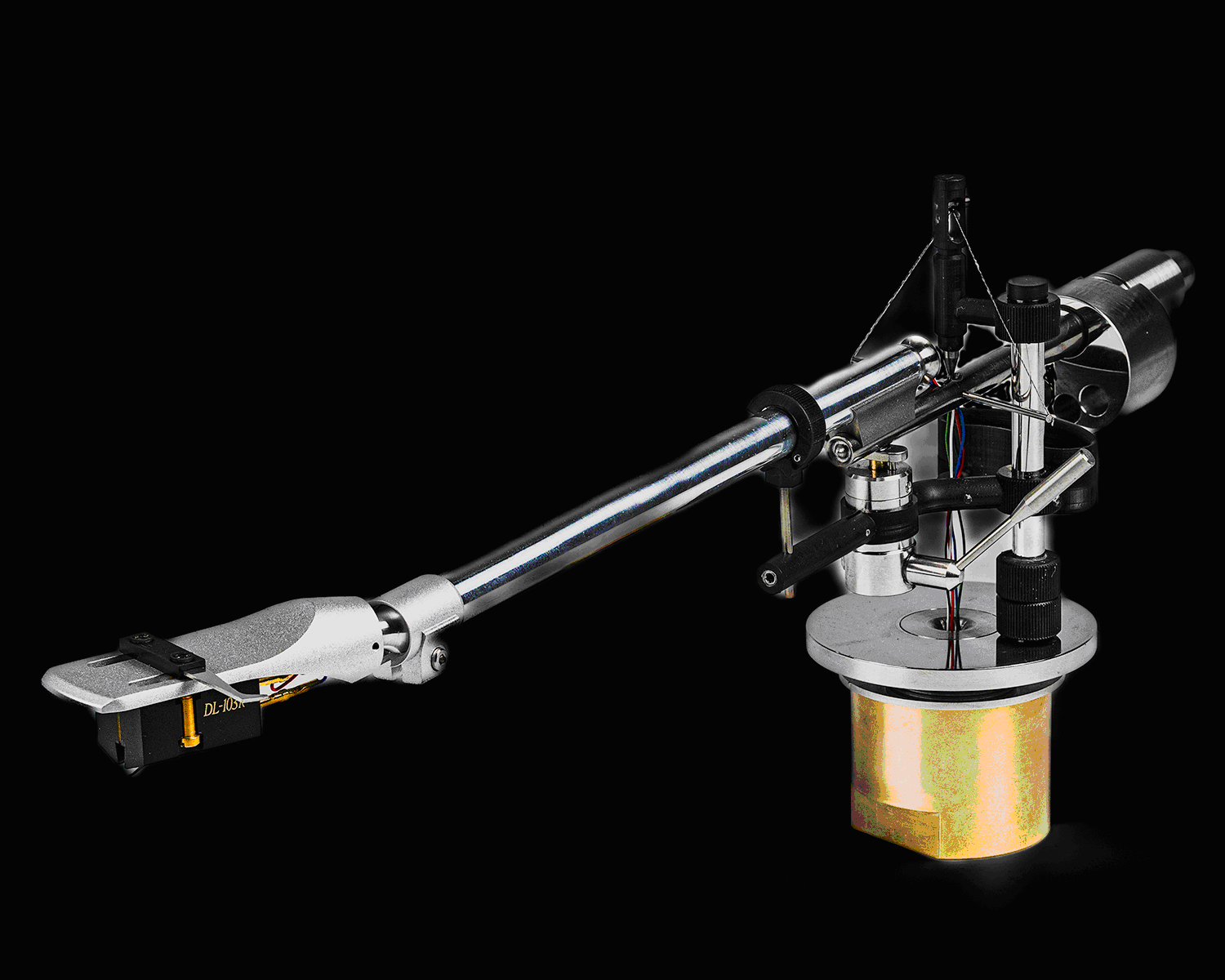
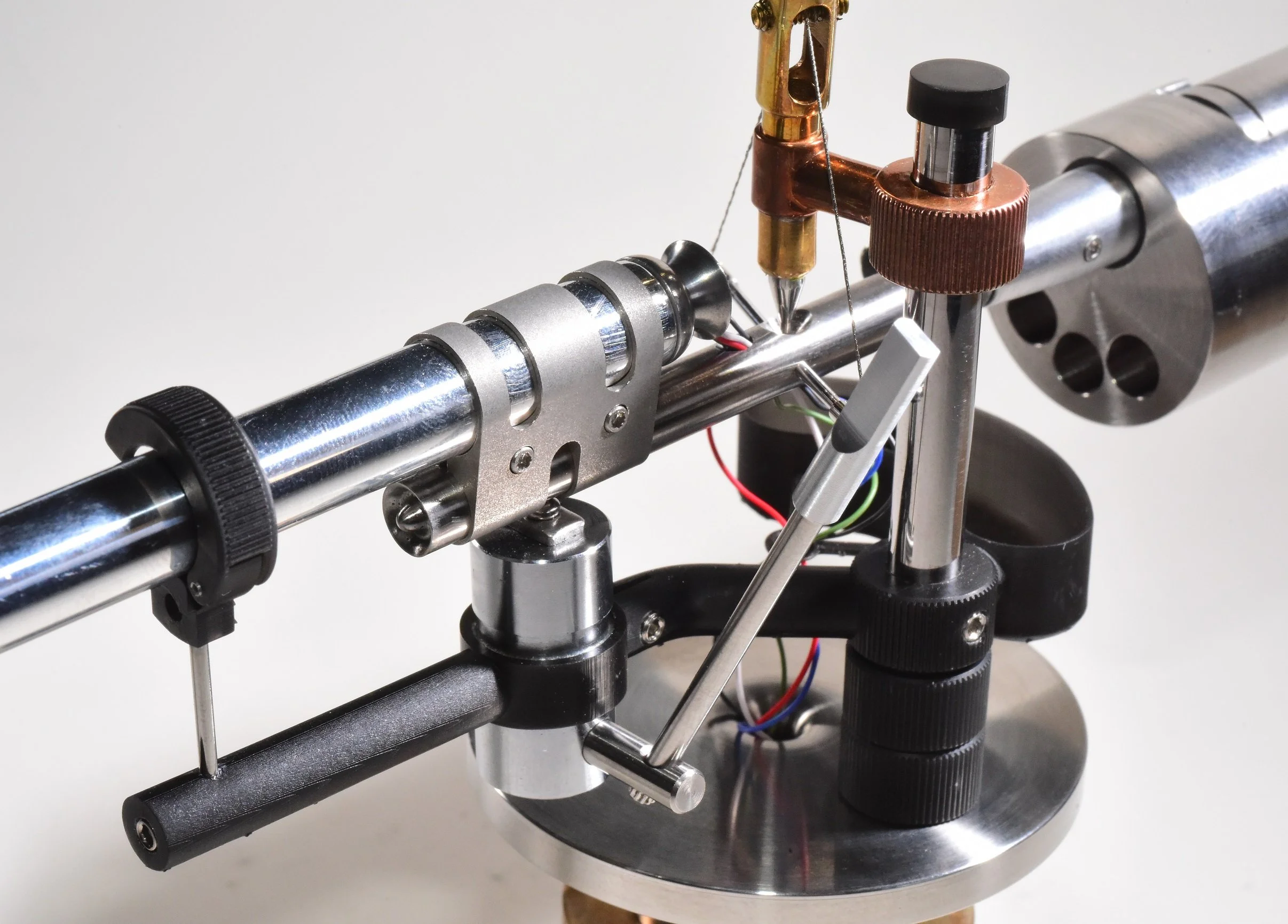
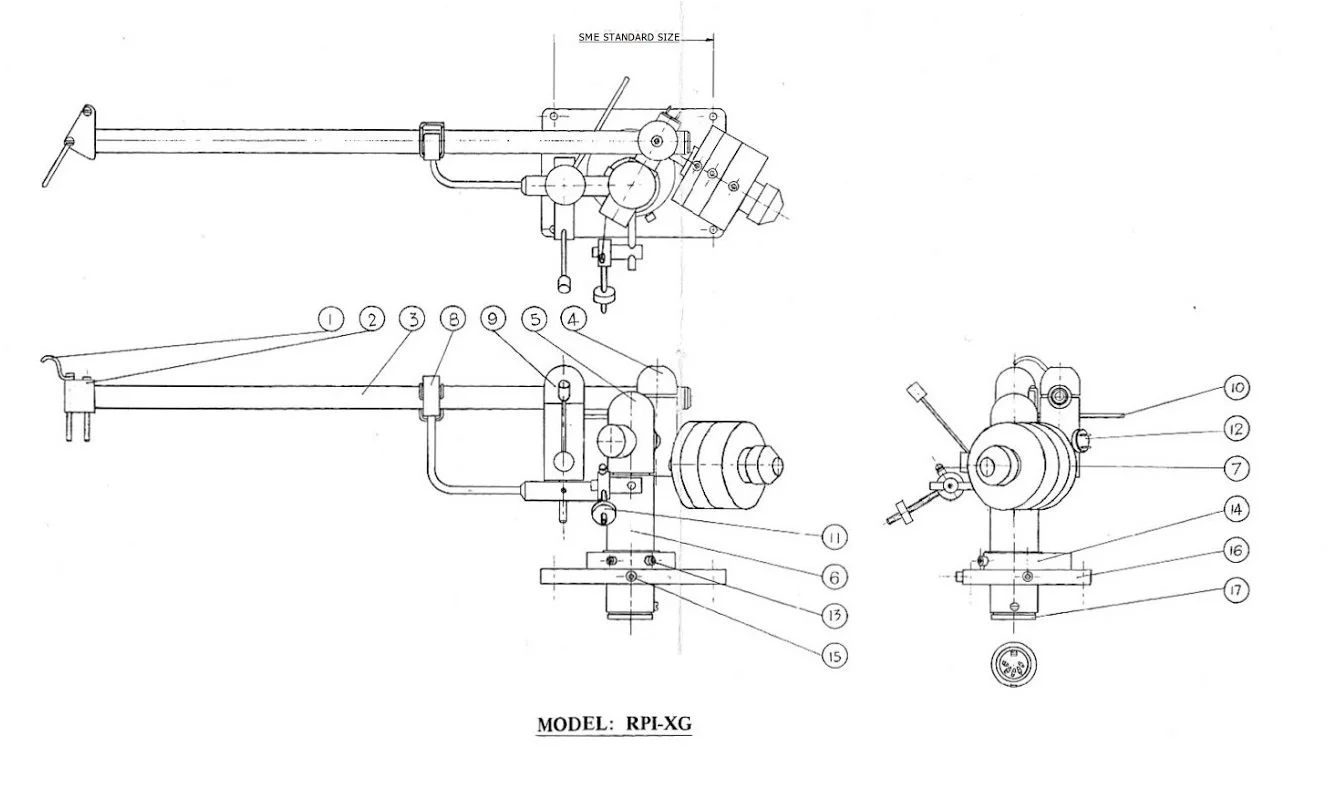
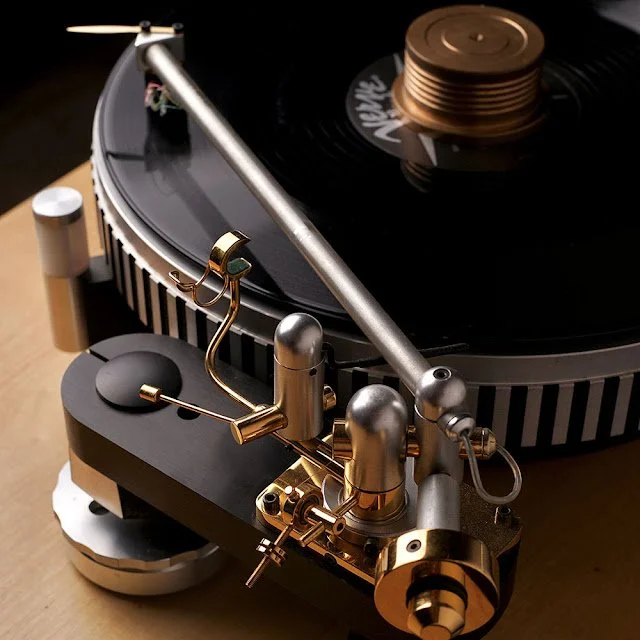
With the first working prototype assembled and mechanically validated, the UA-101 tonearm moved into its next critical phase: performance testing. Where the prototype build had confirmed that the design worked as a mechanism, performance testing would determine whether it worked as an actual high performance tonearm − whether the geometry, bearing system, and mass distribution translated into measurable precision and, more importantly, audible truth.
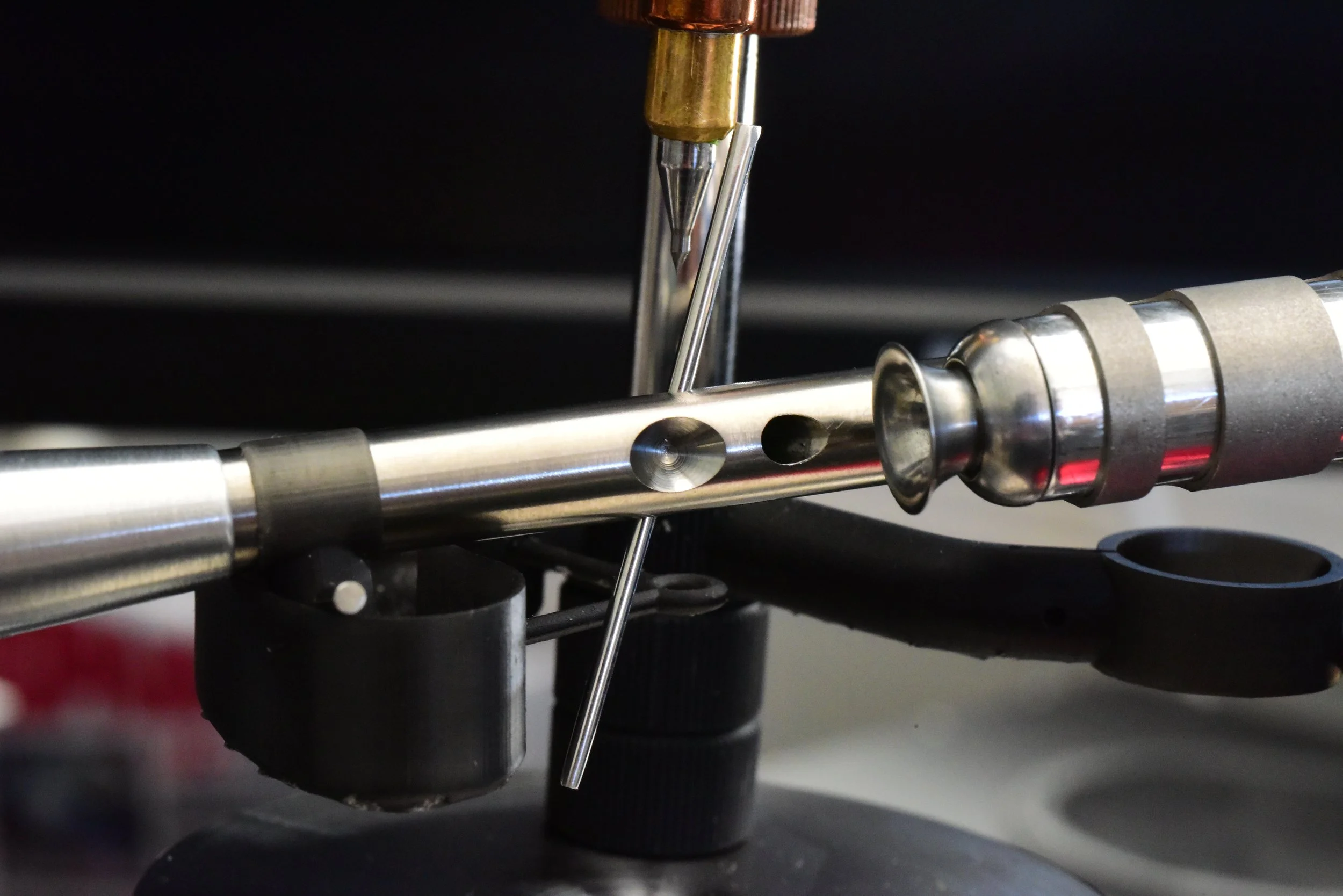
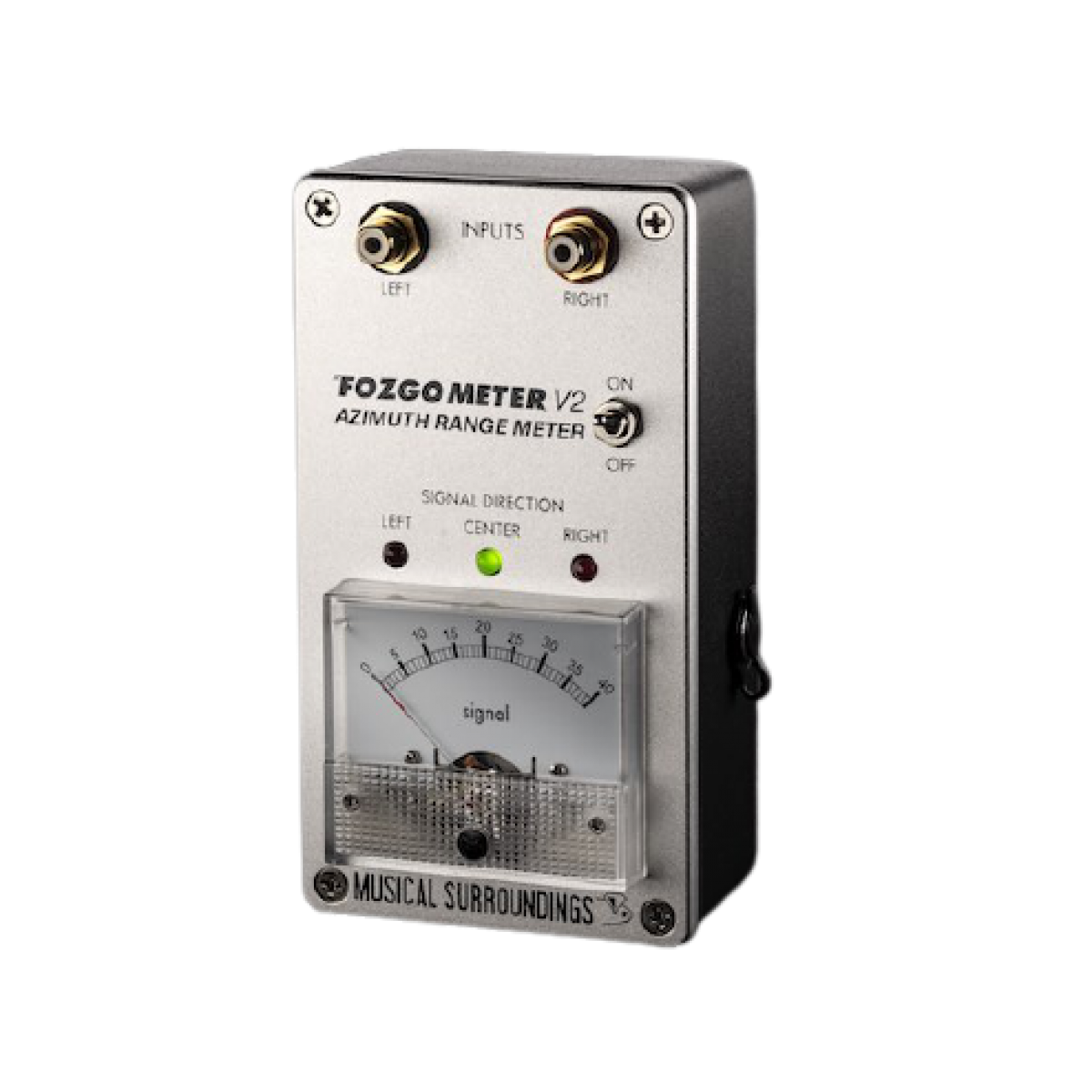
The testing protocol was designed around a core philosophy: measurement and listening must come together. A systematic, hybrid method was developed for setting cartridge azimuth − the left-right rotational alignment of the stylus in the groove − combining mechanical alignment, electrical measurement via a Fozgometer, and critical listening with musically revealing program material. The objectives were multidimensional: minimize crosstalk, maximize phase coherence, equalize groove wall contact, and optimize stereo imaging, tonal purity, and high-frequency smoothness. Numbers alone would not be sufficient. Listening would make the final determination.
The protocol unfolded in descrete stages. Stages one through three established mechanical and electrical baselines − setting vertical tracking force, vertical tracking angle, and visual azimuth, then using the Fozgometer with The Ultimate Analogue Test LP to minimize crosstalk and equalize channel leakage through fine incremental adjustments. Stages four through eight shifted to critical listening passes: mono lock-in, music verification, channel symmetry, stereo imaging evaluation, and high-frequency stress testing, each refining the azimuth position by ear around the Fozgometer-derived setting. Stages nine and ten closed the loop, re-confirming electrical measurements, verifying alignment convergence with listening results, locking the final setting, and re-checking VTF and VTA for stability.

To ensure the results were not cartridge-dependent, four distinctly different cartridges were rotated through the testing: an Audio Technica AT33PTG/II, an Ortofon Kontrapunkt b upgraded with a Fritz Gyger S stylus and boron cantilever, a Denon DL-103R rebuilt with a nude line contact stylus and hardened tapered aluminum cantilever, and a Hana Umami Red. Each brought different compliance, mass, and stylus geometry to the evaluation, stress-testing the tonearm's ability to perform consistently across a range of real-world cartridge pairings.
Reference recordings were selected for tonal diversity and revealing character: Pink Floyd's Dark Side of the Moon, Steely Dan's Aja, Joni Mitchell's Court and Spark and Don Juan's Reckless Daughter, David Crosby's If I Could Only Remember My Name, Dire Straits' Brothers in Arms, and others − many in Mobile Fidelity or Nautilus pressings chosen for their superior mastering quality. The solo recorder passage opening Stairway to Heaven served as a particularly exacting azimuth reference, its rich harmonic content, sustained tones, and near-point-source imaging exposing phase smear, grain, and high-frequency harshness that denser recordings would conceal.
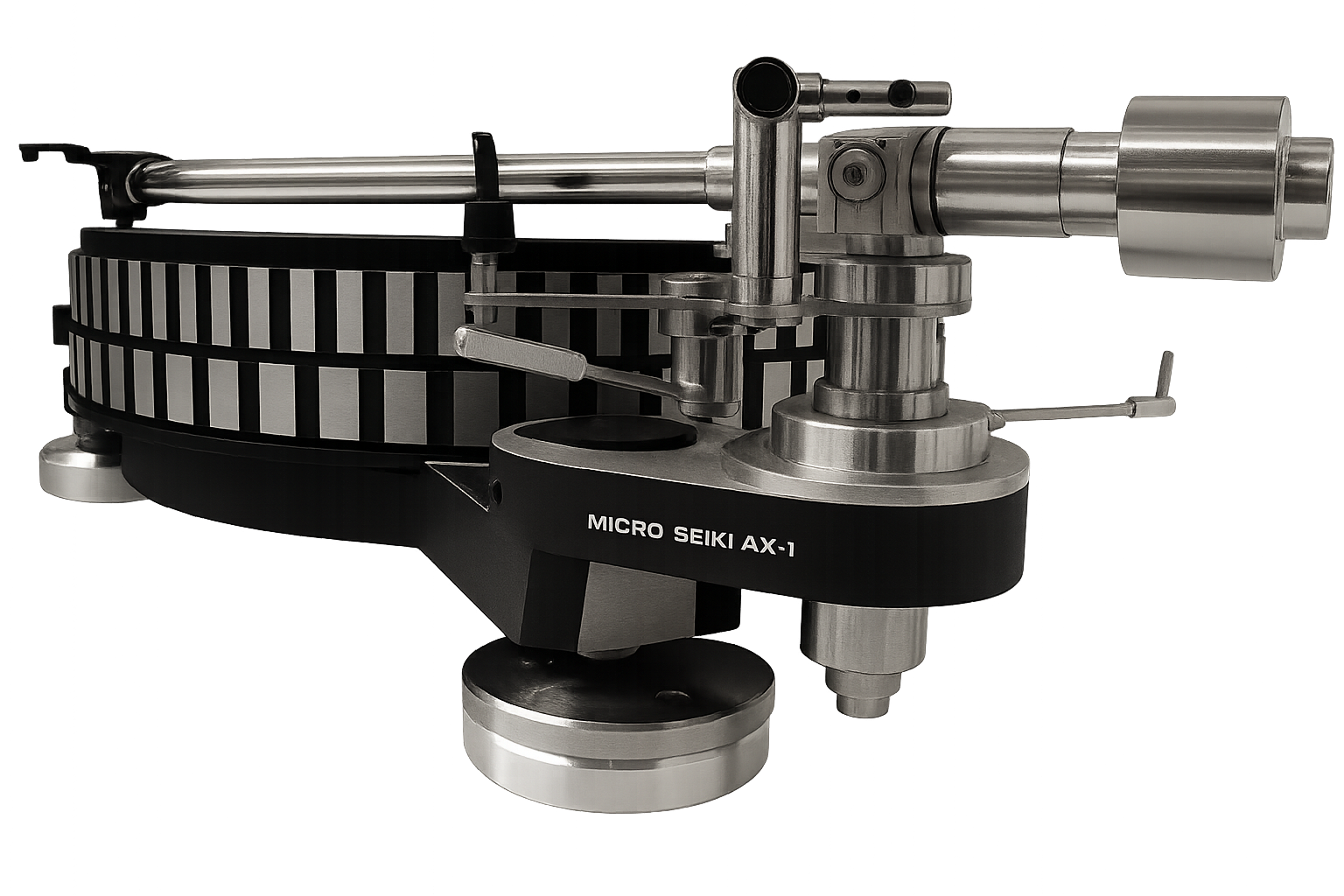
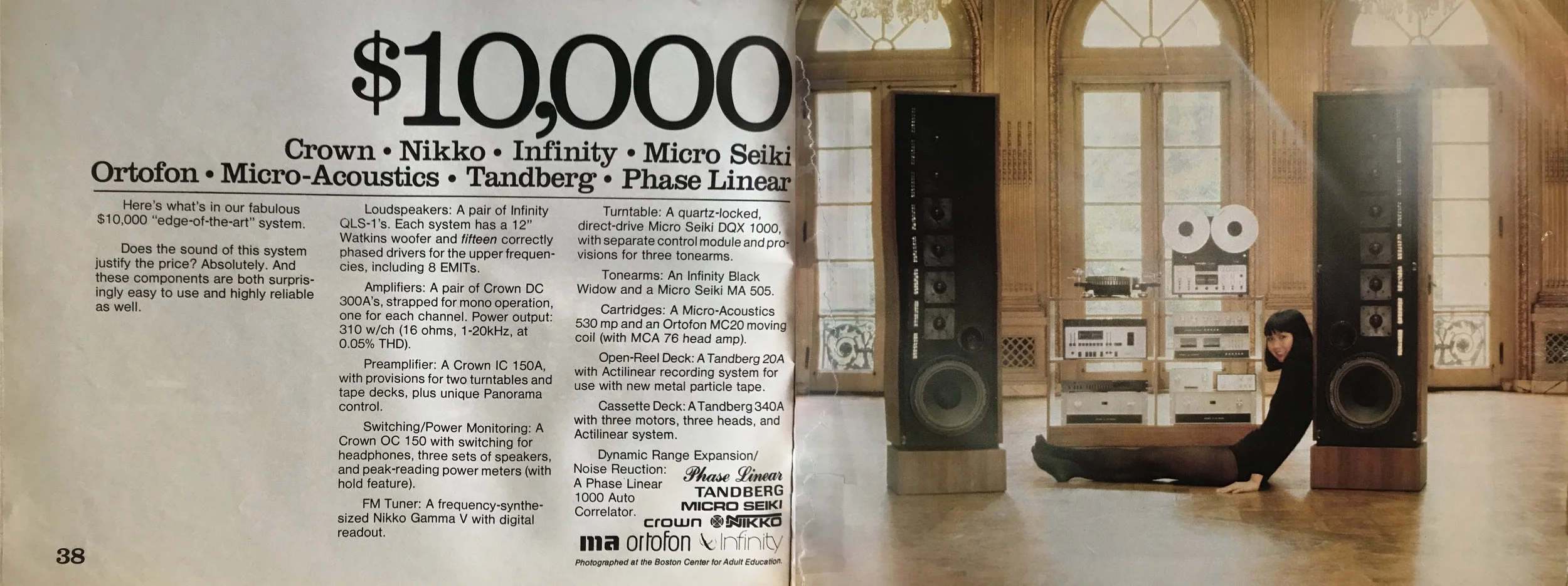
Two turntable platforms anchored the testing: a Technics SP-10 and a Micro Seiki DDX-1000, each fitted with a UA-101 prototype and custom AST stabilizer. A upgraded Audio Technica AT-1010 tonearm on the second Micro Seiki provided a comparative reference point.
The results confirmed what the first prototype build had suggested and then deepened the picture considerably. Objective measurements − crosstalk symmetry, channel separation, phase correlation, high-frequency leakage − aligned consistently with the subjective listening evaluations. Center image focus, harmonic smoothness, soundstage depth, transient cleanliness, and low-level detail retrieval all pointed to the same azimuth settings the instruments identified. Measurement and perception converged.
This first round of performance testing delivered far more than validation. It generated the detailed, cartridge-specific, musically grounded data necessary to refine tolerances, confirm design priorities, and move the UA-101 forward with confidence into its next stage of development: the pre-production prototype. So at this point, the performance testing results were simply outstanding.